Is chewing gum a good idea for your dental health? Some sticky facts might surprise you
By Dr Tom Shumack, BSci (Syd. Uni), BDent (Hons) (Syd. Uni) Grad Dip Clin Dent (Oral Implants) (Syd.Uni) MRAACDS (PDS)
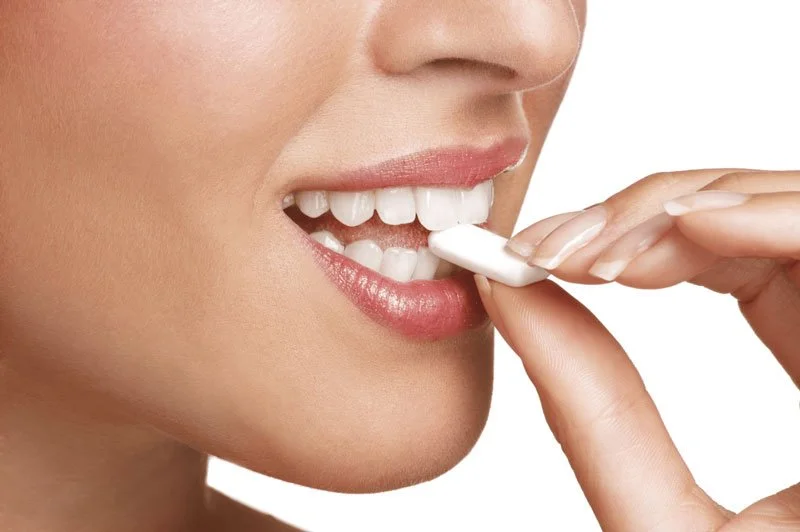
If you grew up in the 90’s (like I did), you probably recall the sugar-free gum ads that promised to help your mouth get back to a healthy state in just two minutes after eating. At the time, it might have seemed like a clever marketing gimmick - but as it turns out, those ads were right! Chewing sugar-free gum really can be great for your teeth, and here's why.
When you chew sugar-free gum, it helps your mouth produce more saliva. This is important because saliva is your mouth’s natural defense against acid. After you eat, the bacteria in your mouth break down the sugars in food, producing acid that can soften and damage your tooth enamel. By chewing gum, you increase saliva flow, which helps neutralise that acid and protect your enamel from decay.
But that's not all. Some sugar-free gums also contain special ingredients, like casein phosphopeptide-amorphous calcium phosphate (CPP-ACP), that help rebuild and strengthen your enamel. This means that not only is the gum helping to prevent damage, but it can actually help repair your teeth as well.
Sugar-free gum can also be a lifesaver for those moments when you can’t brush your teeth right away, because it helps dislodge food debris, clearing out particles that can contribute to plaque buildup and bad breath. It’s an easy, quick way to freshen your breath, fight dry mouth and keep your teeth healthy - especially after meals. And, if you're someone who takes their oral hygiene seriously, you can even find gum containing Tooth Mousse - a product that’s even more effective in reinforcing tooth enamel. Of course, there’s no substitute for daily cleaning and flossing, but sugar-free gum can be an extra tool to add to your tooth care toolbox!
So, keep a pack of sugar-free gum with you - it’s an easy, tasty habit that helps protect your teeth every day. For anyone frustrated by tooth decay, this small, simple intervention can make a big difference in maintaining a healthier smile.