
How to Guide Kids to Brush Their Teeth Effectively
Building strong oral hygiene habits from a young age sets the foundation for a lifetime of healthy smiles. While brushing might feel like a small daily task, the way it’s introduced can make all the difference. Here’s how parents can encourage positive, stress-free tooth-brushing habits that actually stick.
Why Early Oral Care Matters
Good oral hygiene in childhood does more than prevent cavities. It supports speech development, healthy eating, confidence, and long‑term wellbeing. Baby teeth may be temporary, but the habits formed around caring for them last for life.
Start Early and Stay Consistent
The sooner brushing becomes part of your child’s daily routine, the more natural it will feel. As soon as your baby’s first tooth appears, it’s time to begin gentle oral care.
You can start by cleaning their mouth with a soft baby toothbrush or a clean, damp cloth. Make brushing a predictable part of the morning and bedtime routine—just like changing clothes or reading a bedtime story. Consistency helps children understand that brushing isn’t optional; it’s simply part of everyday life.
Adding a little fun goes a long way. Singing a brushing song, making up a silly story, or doing a quick “tooth-brushing dance” can turn resistance into excitement. Kids love routines they can count on, especially when they’re enjoyable.
Let Your Child Choose Their Tools
Children are far more enthusiastic when they feel involved. Allowing them to pick their own toothbrush—whether it’s their favourite colour or a beloved character—can make brushing feel special instead of forced.
It’s also important to use the right toothpaste for their age:
Under 18 months: no toothpaste
18 months to 6 years: a pea-sized amount of low-fluoride toothpaste
6 years and older: a pea-sized amount of regular fluoride toothpaste
A small brush head with soft bristles ensures comfort and protects delicate gums.
Be a Role Model
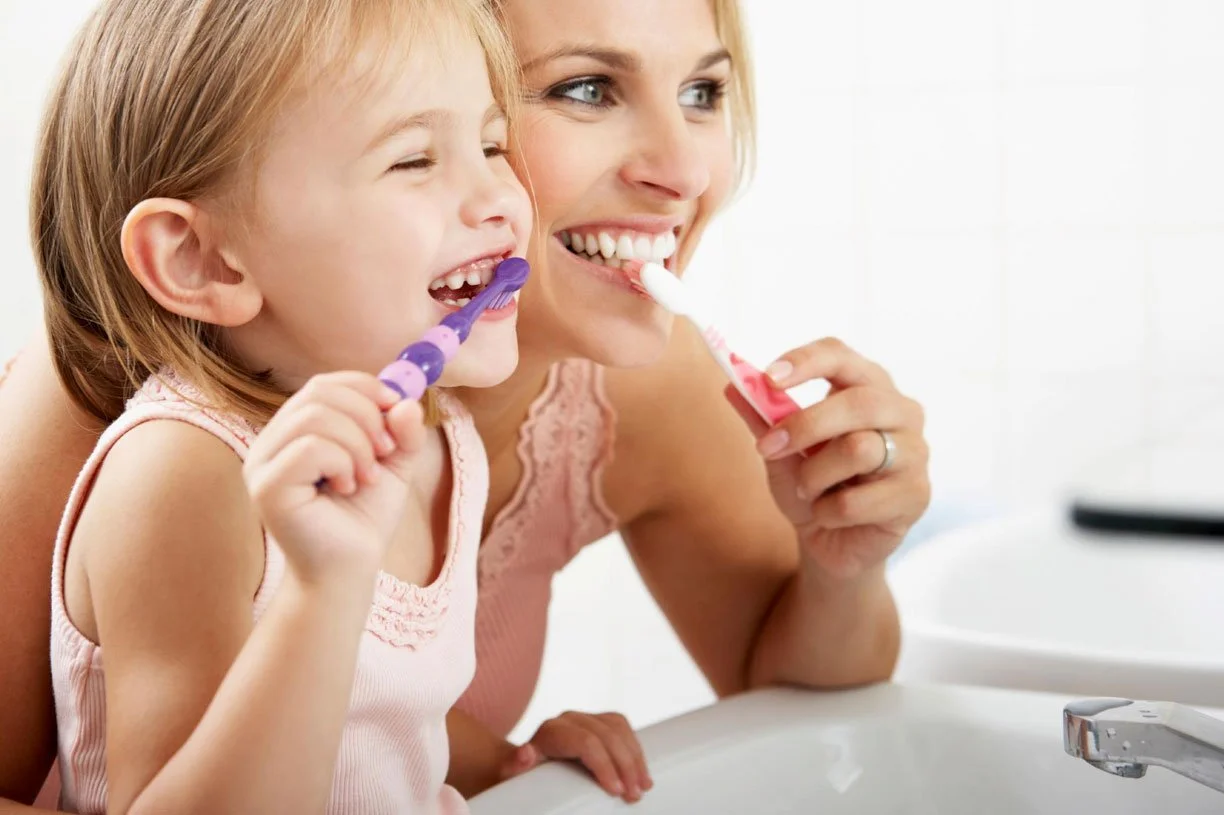
Kids learn by watching. When they see you brushing and flossing daily, they’re more likely to copy those habits. Try brushing together as a family whenever possible.
Show them how to clean every part of their teeth—the front, back, and chewing surfaces—and keep the atmosphere upbeat. Your enthusiasm matters more than perfection. Brushing together also lets you guide their technique naturally, without it feeling like a test.
Help Them Understand Why Brushing Matters
Children are naturally curious, so use that curiosity to your advantage. Explain brushing in simple, kid-friendly terms—like removing “sugar bugs” that can hurt their teeth.
Talk about how brushing keeps their smile shiny and their mouth strong. Books, videos, and playful analogies can make these ideas easier to understand. When kids know why they’re brushing, they’re much more willing to take part.
Turn Brushing Into a Game
Brushing doesn’t have to feel like a chore. There are plenty of ways to make it fun and engaging.
Brushing apps with music, timers, or animated characters can keep kids focused for the full two minutes. Reward charts with stickers for brushing twice a day can also be surprisingly motivating.
You can even turn brushing into a game:
“Who can make the most bubbles?”
“Let’s brush away all the sugar bugs before the timer ends!”
When brushing is fun, cooperation comes naturally.
Make Dental Visits a Normal Experience
Dentist visits shouldn’t wait until there’s a problem. Schedule your child’s first dental appointment by their first birthday, and aim for regular check-ups after that.
A dentist who works with children—such as a paediatric dentist—can make visits feel friendly and reassuring. Early, positive experiences help prevent fear and anxiety later on. Dentists can also provide personalised advice and catch small issues before they become big ones.
With patience, consistency, and a little creativity, brushing can become a positive daily habit rather than a struggle. These early efforts help protect your child’s teeth now—and set them up for a lifetime of confident, healthy smiles. 😊
Frequently Asked Questions (FAQs)
How long should kids brush their teeth?
Children should brush for two minutes, twice a day—morning and night.
When can kids start brushing on their own?
Most children need supervision until around 8 years old. They may start brushing independently earlier, but an adult should check that all surfaces are cleaned properly.
What if my child refuses to brush?
Try making brushing fun with songs, games, or apps. Offer choices (“Do you want the blue toothbrush or the green one?”). Avoid turning it into a power struggle—stay calm and consistent.
Is fluoride toothpaste safe for kids?
Yes, when used in the correct amount. Fluoride strengthens enamel and helps prevent cavities. Follow age‑based guidelines for toothpaste amounts.
Should my child floss?
Yes—once two teeth touch, flossing becomes important. You can use floss picks to make it easier for small hands.
What if my child swallows toothpaste?
A small amount is generally safe. Use only the recommended pea‑sized amount and encourage them to spit. If they swallow large amounts regularly, speak with your dentist.
How often should kids visit the dentist?
Every six months, unless your dentist recommends otherwise.
Final Thoughts
With patience, creativity, and consistency, brushing can become a positive part of your child’s day. By starting early, choosing the right tools, modelling good habits, explaining the importance, making it fun, and keeping up with dental visits, you’re giving your child the foundation for a lifetime of healthy smiles.